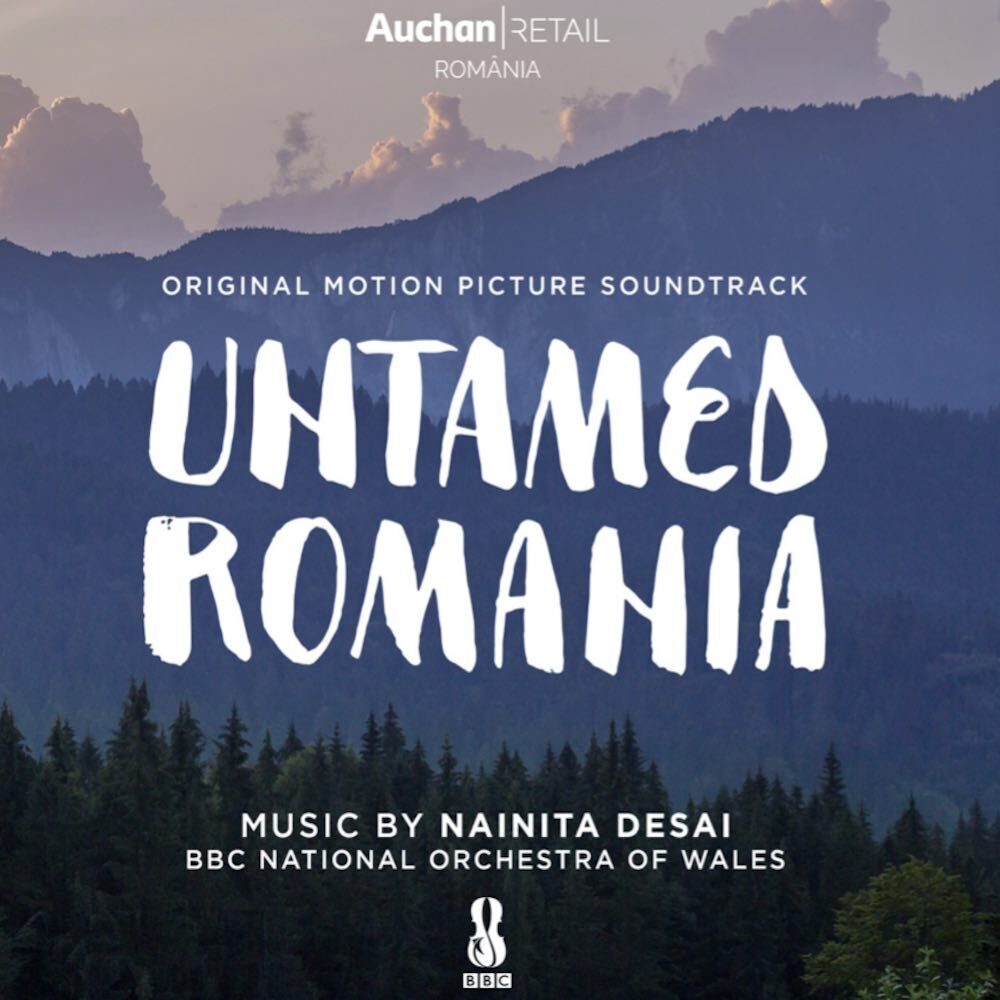
THE MAKING OF THE MUSIC
Working with director Tom Barton Humphries was an incredibly fruitful experience where I was allowed a lot of creative freedom. I wanted to take the viewer on an emotional journey throughout the film with varied musical colour and textures. I developed a lyrical thematic score using melodies to pull the film together – something that is not so common these days in contemporary film & TV soundtracks.
At it’s heart, the story-telling through the music was of paramount importance. There are universal themes of hunting, conflict, power, parenthood, infants learning and playing. The animals had strong characters that I wanted to bring out musically and of I was incredibly inspired by the stunning visuals.
The score had to evoke the magical fairy tale feel of Transylvania with it’s magical forests. Which can be heard in Legend of the Fire Salamander that harks back to ancient legends. Normally for documentary, I don't get asked to write strong, bold melodies that guide the audience emotionally as I’m often working on very sensitive subjects where the music has to be empathic to the story. Here though it was the reverse. ! have always loved melody. So I basically saved up all the tunes I’d written ever written over the last 10 years that I had never used, and used them all in this film ! It was an opportunity to bring out a different side to my creative voice.
I wrote grand expansive themes for the spectacular landscapes that contrasted with the intimate themes for smaller wildlife. Each season also had its own. Spring is light and playful, summer is hot and languid, autumn is quite melancholic and beautiful and winter cold and inhospitable.
The bears also had their own theme that took various twists and turns - from the playful and curious to that of power and aggression which you can hear in Bear vs Wolves.
Alongside the orchestral cues, I incorporated sound design and synths to represent some of the ‘under-worldly’ caves. They provided textures and sounds for moods and scenes that the pure orchestra couldn’t reach. These electronic elements also injected character into cues such as Mayfly Season – a nod to 80’s synthwave and analog synths that has an almost Blade Runner-esque quality to it.
You can hear the lynx’s own theme in two forms – one with a playful light arrangement for two lynx cubs and one at the end of the film when a single female lynx is struggling to survive in the harsh winter forest. It was important for me to utilise the whole orchestra, with interesting arrangements for woodwinds and brass alongside a string section. You can also hear the interplay between silence, sound effects and impact of brass in Wild Boar, which covers the wolves and boar hunting scene.
There are a few musical influences that come through, such as the hints of a Gershwin-esque motif when a bear cub falls out of the tree in Bear Antics, or moments of humorous light jazz in Catch the Mayfly. My own favourite cue is A Chrysalis Awakens. I experimented with my own vocals and the cue gelled together in a magical organic way as the scene unfolded.
Recording with the BBC NOW Orchestra (National Orchestra of Wales) was a real highlight. Having 73 musicians playing together as a band had a very live organic feel to it. I selected them because they all know each other and play together regularly and are used to working as a cohesive entity. When you give them a melody, they suddenly rephrase and move in a different way. There is something magical in what they bring to it.
During our London session at Angel Studios, we recorded some of the more intimate cues with leading London string players including Richard Harwood, principal cellist of the RPO (Royal Philharmonic Orchestra) who performed all the cello solos.