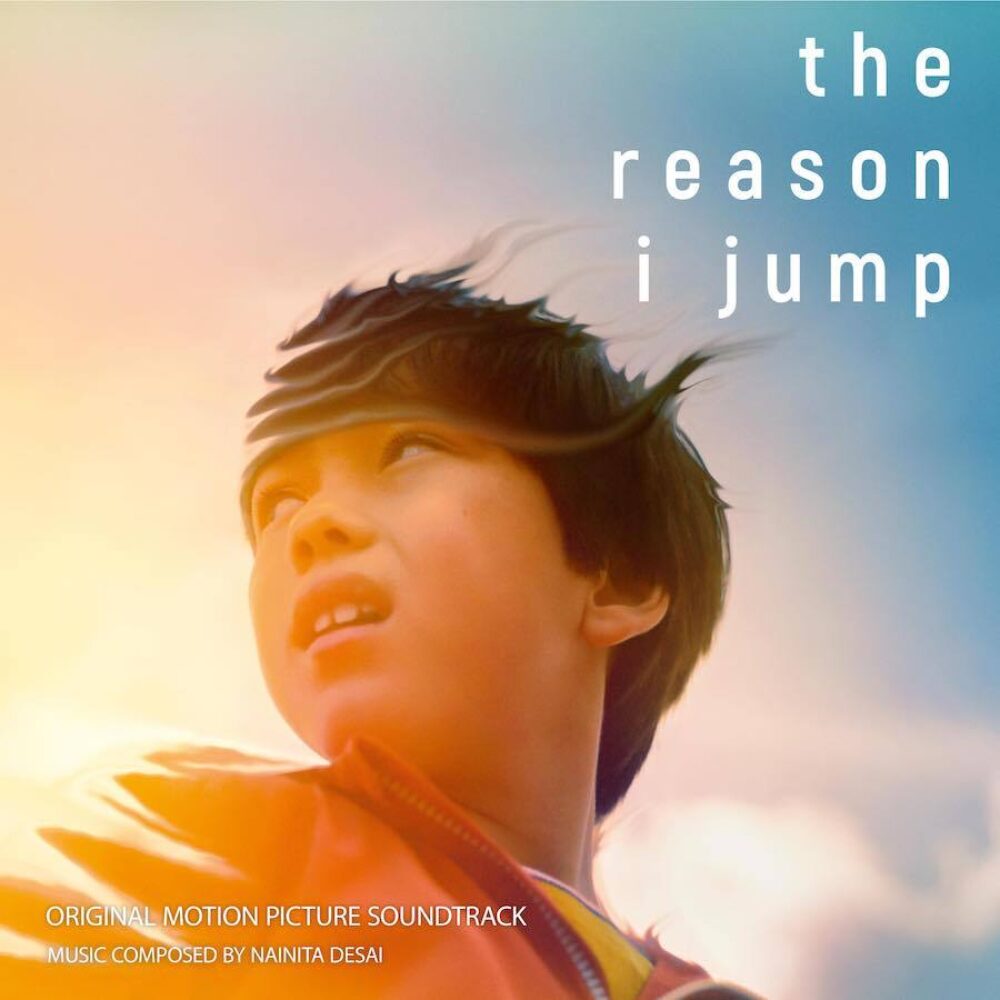
THE MAKING OF THE SCORE
Like the book upon which the film is based, the score opens a door to a constellation of divergent ways of experiencing reality.The aim was to evoke the intense sensory worlds of the book using score and sound design.
Composer Nainita Desai started work during the shoot and wrote a lot of material based on the key ideas in the book without seeing the film, a very liberating process. She brought in musicians throughout the year of production, holding semi-improvised recording sessions which would then help the music writing process.
We wanted to blur the lines between music and sound design to create a cinematic immersive aural experience mixed in Atmos 360. The final sound palette consists of manipulated found sound taken from the film’s location sound, non-verbal vocals, strings and other organic and treated elements such as the ‘Halo’ (a hand pan), prepared clarinet and saxophone. All the sounds are created from organic sources – treating and manipulating sounds working in tandem with the sound designer.
I also wanted authenticity towards Autism and Neurodiversity. Elisabeth Wiklander, cellist with the LPO is autistic and a cultural ambassador for the Natonal Autistic Society and her contribution has great sensitivity and perception particularly in the Forest sequence.
So for example in the scene where artist Amrit rocks to the movement of ceiling and table fans, the sounds of the fans and other percussive found sound elements from the location create a rhythmic foundation out of which grew a musical piece. Where the book describes the calm created by repetitive movement, Nainita created oscillations and repetition in the score to evoke the sense of cathartic release. Elsewhere, treated vocals represent the non-verbal world of the characters. she worked with treated vocals (using original Japanese words from the book) to represent the internal world of the characters. For example, Naoki’s phrase ‘we are outside the flow of time’ is broken up into its vowels and consonants, sung in a fractured way as the boy journeys through a remote landscape.
We wanted to have a distinction between the musical worlds of the different characters, using different instrumentation. Jestina’s sound is the playful Halo Handpan, the cello worked for Joss and Ben and Emma share the double bass and guitar between them.
The challenge was to create an aural landscape that felt cohesive and worked harmoniously – this process resulted in a very experimental journey, sometimes constructing sparse musical cues from the music stems in the original compositions.
Asked which elements she is most proud of, Nainita says: “The opening lighthouse with its interweaving oscillations and strings is a personal favourite, and the end cue has Japanese flavoured vocals with a cyclical quality, that brings us back full circle to the beginning of the film.”
MIXED BY NAINITA DESAI , STEVE PARR
VIOLIN: DANIEL PIORO, SARAH HARRISON
CELLO: ELISABETH WIKLANDER, MARION LONG, MATT HAWKEN
DOUBLE BASS; MALCOLM LAWS
VOCALS: NAINITA DESAI
TENOR SAXOPHONE: BEN VINCE
CLARINET: HEATHER ROCHE
GUITAR: ARTHUR DICK
ADDITIONAL PROGRAMMING: AKMAREL ZYKAYEVA